
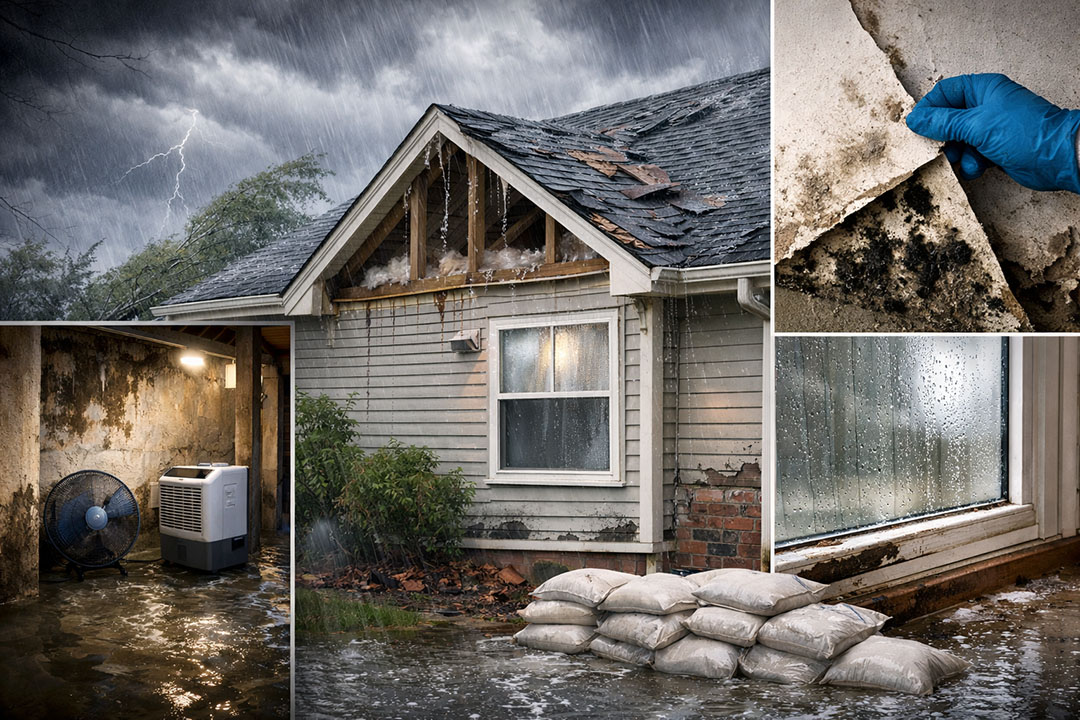
If it feels like your home is battling moisture and mold more often than it used to, you are not imagining things. Longer humid periods, heavier downpours, and stronger storms are reshaping when and where homes develop mold problems. Instead of a short “rainy season,” many regions are now living with an extended mold season – one that starts earlier, ends later, and hits harder after each major weather event.
Understanding how shifting weather patterns interact with your building is the first step toward protecting your home and your health. Think of this as “climate‑informed mold prevention”: using what we know about storms and humidity to anticipate issues and act early.
How climate change is rewriting mold risk
Mold is simple in its demands: it needs moisture, a food source (like wood, drywall, dust, or fabrics), and the right temperature range. Climate change amplifies those ingredients in several ways:
- Heavier rain in shorter bursts
Many areas are seeing fewer gentle showers and more intense downpours. When a month’s worth of rain falls in a day, drainage systems are overwhelmed, gutters overflow, and water finds new ways into basements, crawlspaces, and low‑lying parts of the home. Short‑lived but intense flooding can leave pockets of moisture inside walls and under flooring that stay damp long after surfaces look dry. - Longer humid seasons
High humidity used to be a summer issue in many regions. Now, warm, moist air may arrive earlier in spring and linger deep into fall. The longer the air stays humid, the more time condensation has to form on cool surfaces, like basement walls, HVAC ducts, and poorly insulated corners, feeding mold behind the scenes. - Stronger storms and hurricanes
Coastal and storm‑prone areas are facing more frequent high‑wind, high‑rain events. Strong winds drive rain under shingles, around windows, and into small vulnerabilities in the building envelope. Even if you avoid major flooding, repeated wind‑driven rain can slowly wet roof decking, attic framing, and exterior walls. Over a few seasons, that “minor” wetting adds up to serious mold risk. - Temperature swings and freeze–thaw cycles
In some regions, wilder temperature swings create more condensation as warm indoor air meets cold exterior surfaces. Frequent freeze–thaw cycles also stress building materials, opening small gaps that invite water during the next storm.
Taken together, these changes mean more moisture inputs, more often, in places where older homes, and even some newer ones, were not designed to handle them.
Where the new mold season hits hardest in a home
In this new mold reality, certain parts of a house have become especially vulnerable. Knowing where to look allows you to spot problems early.
- Basements and crawlspaces
Higher groundwater, overwhelmed drainage, and heavier rain all converge here. Warning signs include:
- Musty odors that spike after rain.
- Efflorescence (white powder) on masonry, indicating water movement.
- Seasonal puddling or dampness that never fully dries.
Persistent dampness in these areas doesn’t just affect storage; it can feed mold on joists, subfloors, and insulation and raise humidity throughout the home.
- Attics and rooflines
Storm‑driven rain and aging roofing materials combine to create subtle leaks. Look for:
- Darkened or stained roof decking.
- Rusted nails, warped sheathing, or “fuzzy” growth on wood.
- Wet insulation or compressed, heavy spots in insulation after storms.
Even small leaks can support mold if they reoccur with each weather event.
- Exterior walls and windows
Longer humid seasons and driving rain stress windows, siding, and flashing. Warning signs:
- Peeling or bubbling paint near window corners or along exterior walls.
- Staining, soft drywall, or swollen trim indoors around windows and doors.
- Recurring condensation on glass or frames during humid weather.
- HVAC systems
As humidity patterns change, HVAC systems are often asked to do more dehumidification than they were designed for. Potential clues:
- Musty odors when the system first turns on.
- Visible condensation on supply registers or ductwork.
- Overflowing or frequently clogged condensate drains.
If the system cannot keep indoor humidity in check, mold can grow both in the equipment and on building surfaces.
Seasonal strategies: before and after big weather events
Because the new mold season is closely tied to storms and humidity spikes, it helps to think in terms of pre‑storm and post‑storm routines.
Before storm season or major events
- Inspect and maintain drainage paths
- Clean gutters and downspouts; ensure water is carried well away from the foundation.
- Check grading so soil slopes away from the home, not toward it.
- Confirm that sump pumps work and discharge to appropriate locations.
- Seal known vulnerabilities
- Inspect roof flashings, vents, and chimney areas.
- Reseal or repair around windows, doors, and penetrations.
- Address any existing cracks or gaps where water has entered before.
- Tune indoor humidity control
- Service HVAC systems, checking that condensate lines are clear and pitched correctly.
- Consider adding a dedicated dehumidifier for basements or whole‑house use in humid climates.
- Aim to maintain indoor relative humidity generally between 40–50% when possible.
After heavy rain, hurricanes, or flooding
- Walk the property methodically
Do a slow, room‑by‑room inspection with all senses: sights, smells, and touch. Check:
- Basements, crawlspaces, and lower‑level rooms for dampness or pooling.
- Attics for new stains or wet insulation.
- Around windows and doors for fresh water marks.
- Dry quickly and aggressively
If you find wet materials, act within the first 24–48 hours when possible:
- Use fans and dehumidifiers to dry non‑porous surfaces and lightly damp materials.
- Remove and discard saturated carpet padding and other highly absorbent materials that cannot dry rapidly.
- Open up small sections of baseboard or wall, if safe and appropriate, to allow trapped moisture to escape.
- Monitor for delayed signs
Not all moisture shows up immediately. Over the next several weeks, pay attention to:
- New or intensifying musty odors.
- Changes in paint, drywall, or flooring (bubbling, cupping, staining).
- Unusual condensation patterns or indoor humidity spikes.
If you notice persistent issues, a professional moisture and mold assessment can help locate hidden problems before they grow.
Community‑level changes that also matter
Individual homeowner actions are critical, but the broader environment around your home also shapes mold risks. Shifts such as:
- Increased hard surfaces (parking lots, streets, patios) that speed runoff toward properties.
- Aging stormwater systems that can’t handle new rainfall extremes.
- Tree loss, which changes shade patterns, wind flow, and drying around buildings.
Advocating for better drainage infrastructure, thoughtful landscaping, and resilient building practices in your community indirectly protects your own property as well.
Adapting old homes to new weather
Many existing homes were built for a climate that no longer exists. That does not mean they are doomed, but it does mean they may need upgrades to keep up with the new mold season. Useful long‑term improvements can include:
- Enhanced exterior waterproofing and drainage around foundations.
- Improved insulation and air sealing at exterior walls and rooflines to reduce condensation.
- Mechanical ventilation and balanced humidity control, especially in tight, energy‑efficient retrofits.
For each property, the right mix will depend on age, design, and local weather trends, but the goal is the same: make it harder for water to get in and easier for any incidental moisture to dry out quickly.
Turning awareness into resilience
Mold season is no longer a brief, predictable window on the calendar. It rides on the back of each storm, heat wave, and humid spell, testing how well your home handles moisture. The good news is that once you understand this new pattern, you can plan for it instead of being surprised by it.
By pairing climate awareness with practical steps (regular inspections, humidity control, storm‑ready drainage, and fast drying after events) you turn your home from a passive victim of changing weather into an actively managed, more resilient shelter. You cannot control the storms, but you can control how ready your home is for the mold challenges they bring.
 Welcome to the Melbourne Mold website. If you have any questions regarding mold at your home or business premises - we are here to help. Please call or complete the form to the right, and we will be in touch at the earliest opportunity.
~ Greg Bertaux