
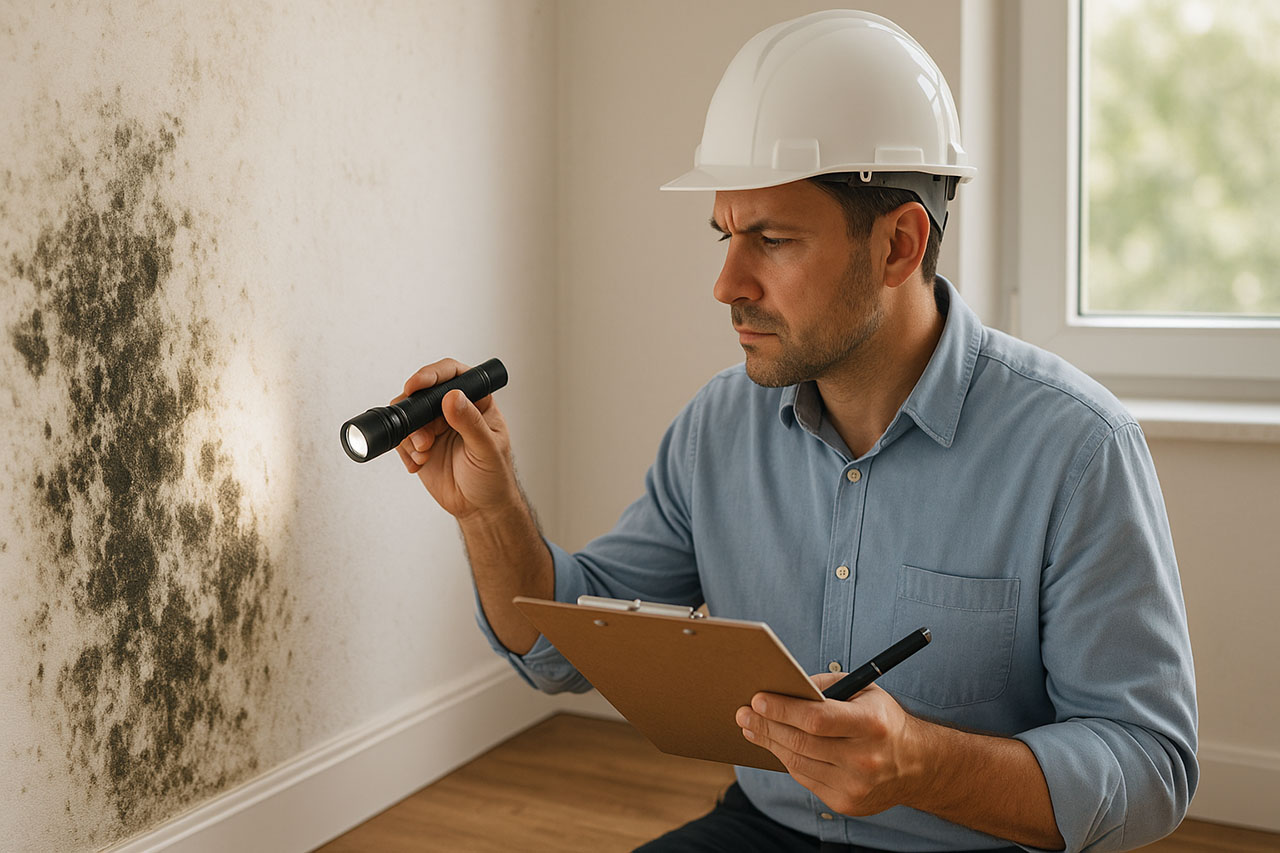
Home buyers or renters be aware, in Florida and most other states, a home inspection does NOT include testing or findings related to mold. In Florida, home inspectors are not allowed to offer any type of mold analysis or testing. Only a licensed “Mold Assessor” may perform a mold assessment / inspection. They must have an “MRSA” (Mold Related Services – Assessor) license that is very difficult to obtain because of the many technical issues and years of training required to conduct a proper mold assessment. On the same note, a mold remediator having an “MRSR” license, is also NOT allowed to offer or perform a mold assessment / inspection because they do not have the required scientific and technical training for it. They are only allowed to conduct mold clean up based on directions from a mold assessor. Unscrupulous mold remediators will offer to provide cheap inspections, that is illegal for them to do, but it leads consumers to hire them for much more expensive remediation services. On this topic, a Mold Assessor is NOT allowed to offer or provide mold remediation to their customers because it is a significant conflict of interest. Good home inspectors will still look for moisture problems and visible signs that may suggest mold risk, so understanding where one service ends and the other begins is critical for buyers and sellers.
What a standard home inspection covers
A standard home inspection is designed to evaluate the overall condition of the property, not to diagnose specific environmental hazards like mold. Inspectors typically perform a visual, non‑invasive review of major systems and components, such as:myheartland+1
- Roof, exterior, and structure
- Foundation, basement, and crawl spaces
- Plumbing, electrical, and HVAC systems
- Interior finishes, doors, windows, and basic safety items
Industry guidance describes the standard inspection as a “snapshot” of the home’s condition, focusing on defects that could affect safety, function, or value, but not as a specialized mold or air quality assessment.
How standard inspectors handle mold concerns
Even though full mold inspection is usually not included, home inspectors are trained to note conditions that may be associated with mold. During a typical inspection, they may:
- Look for water stains, past or active leaks, and signs of water intrusion around windows, roofs, basements, and plumbing
- Note musty or earthy odors in basements, bathrooms, or other confined areas
- Observe peeling paint, bubbling wallpaper, warped flooring, or discolored drywall that suggest hidden moisture
If they see apparent mold or strong risk indicators, they usually document it in the report and recommend further evaluation by a mold specialist or remediation company, rather than declaring a precise mold diagnosis themselves.
What a mold inspection adds
A mold inspection is a separate, more focused service that drills into moisture and mold issues specifically. According to mold‑inspection standards and industry descriptions, a dedicated mold inspector may:
- Perform a targeted moisture investigation using meters and humidity measurements in suspect areas
- Look closely at high‑risk zones such as basements, attics, crawl spaces, bathrooms, and behind known leak points
- Take air samples and/or surface samples for laboratory analysis to identify mold types and levels
- Report on moisture intrusion, apparent mold growth, musty odors, and conditions conducive to mold, and recommend remediation if needed
In other words, a mold inspection goes beyond “something looks damp” and aims to confirm whether mold is present, how extensive it is, and what conditions are driving it.
Why mold inspections are usually separate
There are several reasons most buyers need to order mold inspections separately if they want them:
- Different scope and training: Home inspectors are licensed or certified to evaluate general building systems; mold inspectors follow separate standards of practice that include sampling and environmental assessment.
- Extra time and equipment: Mold inspections require specialized tools (additional meters, pumps, sampling cassettes, sometimes thermal imaging) and lab fees, which go beyond what’s covered in the base home inspection fee.
- Liability and regulation: In some states, including Florida and others, mold assessment is regulated and may require a separate license, which is one reason many home inspectors either do not offer mold testing or clearly bill it as an add‑on.
Because of these differences, consumer and real estate resources repeatedly emphasize that a standard home inspection does not automatically guarantee a mold inspection or mold testing.
When you should consider adding a mold inspection
While a separate mold inspection is not mandatory for every transaction, there are situations where it is strongly worth considering. Examples include:
- Visible staining, patchy discoloration, or suspicious spots on walls, ceilings, or in basements
- A history of leaks, flooding, roof problems, or chronic moisture (especially if repairs were recent or undocumented)
- Persistent musty odors that do not go away with ventilation
- Buyers or occupants with asthma, allergies, or mold sensitivities
- Real estate deals where moisture issues could significantly affect value or negotiation leverage
In these cases, standard inspection plus a targeted mold inspection provides a far clearer picture of risk, potential remediation costs, and long‑term implications.
Questions to ask your inspector before you hire
Because practices vary by company and region, it is important to clarify exactly what is and is not included. Helpful questions include:
- “Does your standard home inspection include any mold testing or sampling?”
- “If you see possible mold or moisture problems, how do you handle it in your report?”
- “Do you offer mold inspection or mold testing as an add‑on service? If so, what does it cost and what does it include?”
- “If you do not test for mold, can you refer a licensed or certified mold inspector in this area?”
Clear answers help you budget appropriately and avoid assumptions that “a home inspection will automatically catch mold” when that may not be the case.
Key takeaway for buyers and sellers
For most transactions, the reality is:
- A standard home inspection will look for moisture and visible issues but will not usually include formal mold testing.
- A mold inspection is a separate, specialized service that evaluates mold risk in depth and may include sampling and lab analysis.
If mold is a concern because of what you see, smell, or know about the property’s history or because of health sensitivities, plan on discussing mold explicitly with your home inspector and, if appropriate, scheduling a dedicated mold inspection alongside the standard home inspection. This proactive step can prevent costly surprises after closing and give you a more complete understanding of the home you are buying or selling.
 Welcome to the Melbourne Mold website. If you have any questions regarding mold at your home or business premises - we are here to help. Please call or complete the form to the right, and we will be in touch at the earliest opportunity.
~ Greg Bertaux