
OUR BLOG PAGE
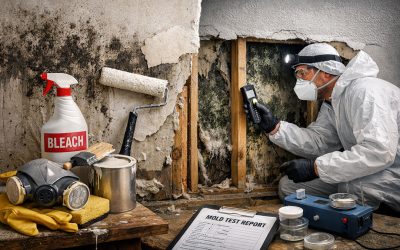
Mold Myths That Cost Homeowners Money
Mold is one of those topics where strong opinions, half‑truths, and outright myths spread faster than the fungus itself. When you are worried about your home or your health, those myths can push you into spending too much on the wrong things—or not enough on what truly matters. As a mold testing professional, I see the financial fallout of bad information all the time: unnecessary “emergency” work, failed DIY jobs, and homes that quietly deteriorate because the owner was told to “just paint over it.”

Behind the Lab Door: What Actually Happens to Your Mold Samples
When a mold inspector collects samples in your home, it can feel like those little cassettes, swabs, or tapes disappear into a black box. You get a report back with numbers and Latin names, and you are left wondering what really happened in between. Understanding what goes on behind the lab door not only demystifies the process, it also helps you interpret results with more confidence and recognize when you need further investigation or action.

Unusual Places Mold May Be Hiding in Your Home
When most homeowners think about mold, they picture dark patches in the bathroom or fuzzy growth under a leaky sink. While those are common problem areas, mold is far sneakier than many people realize. In fact, some of the most serious mold issues develop in places you rarely see, check, or even think about. Knowing where mold likes to hide can help you catch problems early, protect your indoor air quality, and avoid costly remediation down the road.
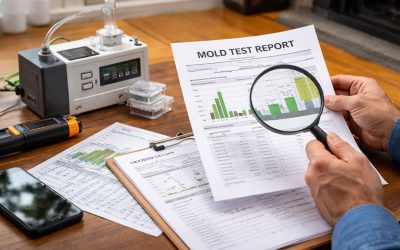
What Mold Levels Are Considered “Normal” in a Home?
One of the most common (and most misunderstood) questions homeowners ask is: “What mold levels are considered normal?” The concern is understandable. Mold has a reputation for being dangerous, and lab reports with unfamiliar numbers can feel alarming without proper context.
The truth is both reassuring and nuanced: there is no such thing as a completely mold-free home. Mold spores are a natural part of the environment, and some level of mold is always present indoors. What matters is how much, what type, and why it’s there.
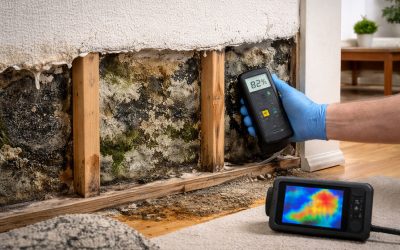
Signs of Hidden Mold Behind Walls or Under Floors
Mold problems aren’t always obvious. In fact, some of the most serious mold issues are the ones you can’t see. Hidden mold growing behind walls, under floors, or above ceilings, often goes unnoticed for months or even years, quietly spreading wherever moisture is present.
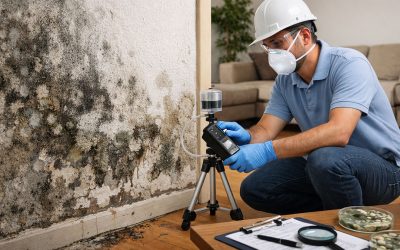
What Is Mold and Why Does It Grow in Homes?
Finding mold in your home can be unsettling. Whether it’s a musty odor, dark spots on a wall, or a concern raised during a home inspection, one question almost always comes up first: Is all mold toxic, or only certain kinds?
The short answer is no, not all molds are toxic. In fact, most molds are not. However, some types can produce toxins under the right conditions, which is why understanding the difference—and knowing when mold testing matters—is essential for homeowners.

How do symptoms differ between allergic and invasive mold lung infections?
Allergic mold lung disease and invasive mold lung infections both involve fungi in the airways, but they behave very differently. Allergic forms mainly cause asthma‑like inflammation in people who are sensitized, while invasive infections involve actual fungal growth destroying lung tissue, usually in severely immuno-compromised patients.

What symptoms indicate mold related lung infection?
Mold can cause anything from allergy‑like irritation to serious lung infections, especially in people with weakened immune systems or existing lung disease. Symptoms of a mold‑related lung infection are generally more severe, persistent, and progressive than routine “mold allergy” complaints.
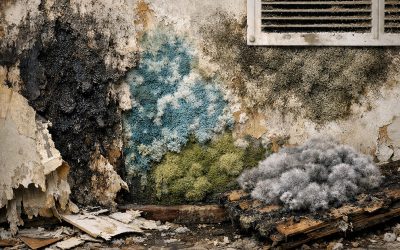
Which mold species are most harmful to health?
Mold from many species can affect health, but a handful are especially concerning because they are common indoors, produce strong allergens or mycotoxins, or can cause serious infections in vulnerable people. In practice, any significant indoor mold growth is treated as potentially harmful, but some genera deserve particular attention.

How does mold exposure differ for children versus adults?
Mold exposure tends to be more harmful for children than for healthy adults because kids breathe more air per pound of body weight, spend more time indoors, and have developing lungs and immune systems that are easier to disrupt. Adults can certainly be affected, but the long‑term risks, especially for asthma and possibly cognitive development, are more pronounced in childhood.
 Welcome to the Melbourne Mold website. If you have any questions regarding mold at your home or business premises - we are here to help. Please call or complete the form to the right, and we will be in touch at the earliest opportunity.
~ Greg Bertaux