by Wycombe | Jan 22, 2026 | Blog Post, Health considerations, Mold
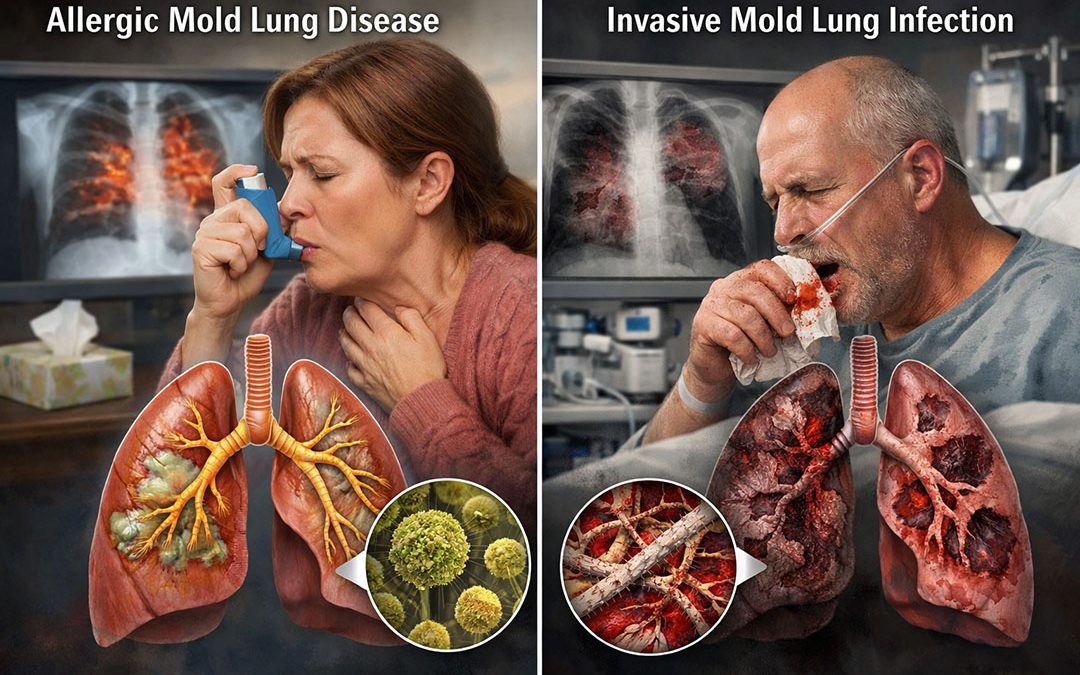
Allergic mold lung disease and invasive mold lung infections both involve fungi in the airways, but they behave very differently. Allergic forms mainly cause asthma‑like inflammation in people who are sensitized, while invasive infections involve actual fungal growth...

by Wycombe | Jan 19, 2026 | Blog Post, Health considerations, Mold
Mold can cause anything from allergy‑like irritation to serious lung infections, especially in people with weakened immune systems or existing lung disease. Symptoms of a mold‑related lung infection are generally more severe, persistent, and progressive than routine...
by Wycombe | Jan 16, 2026 | Blog Post, Health considerations, Health Issues, Mold, Types of Mold
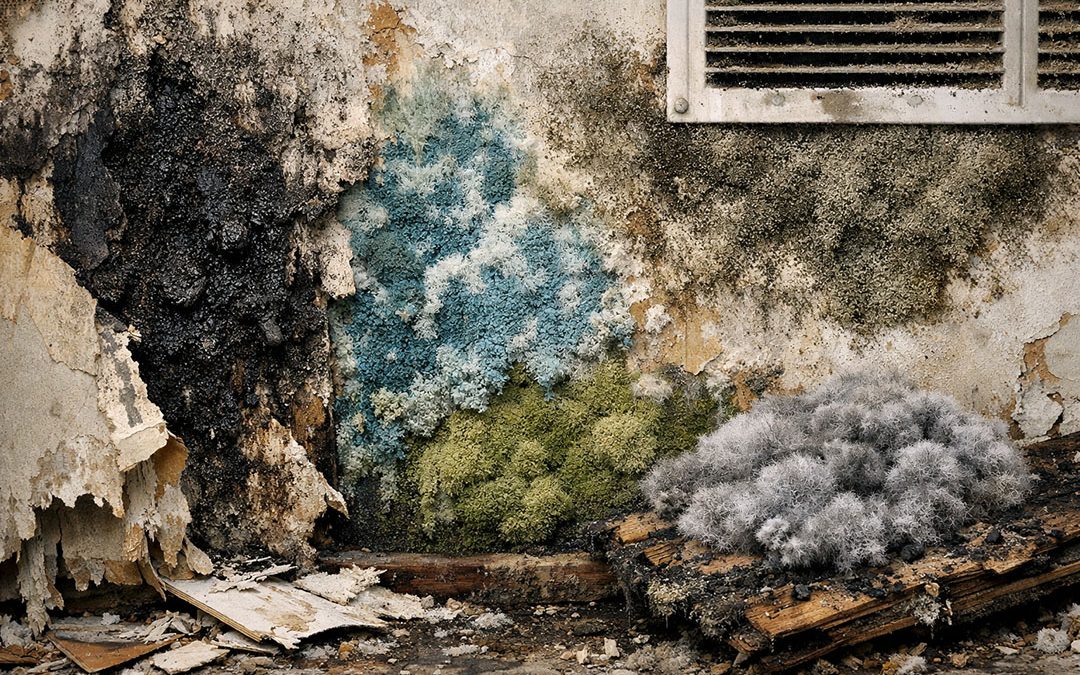
Mold from many species can affect health, but a handful are especially concerning because they are common indoors, produce strong allergens or mycotoxins, or can cause serious infections in vulnerable people. In practice, any significant indoor mold growth is treated...

by Wycombe | Jan 15, 2026 | Blog Post, Health considerations, Mold
Mold exposure tends to be more harmful for children than for healthy adults because kids breathe more air per pound of body weight, spend more time indoors, and have developing lungs and immune systems that are easier to disrupt. Adults can certainly be affected, but...

by Wycombe | Jan 12, 2026 | Blog Post, Mold
Mold comes back when the conditions that allowed it to grow in the first place never really changed. Keeping it from returning is less about the cleaning product you use and more about controlling moisture, humidity, and airflow over the long term. Understand why...
by Wycombe | Jan 9, 2026 | Blog Post, Mold, Mold Testing, VOCs
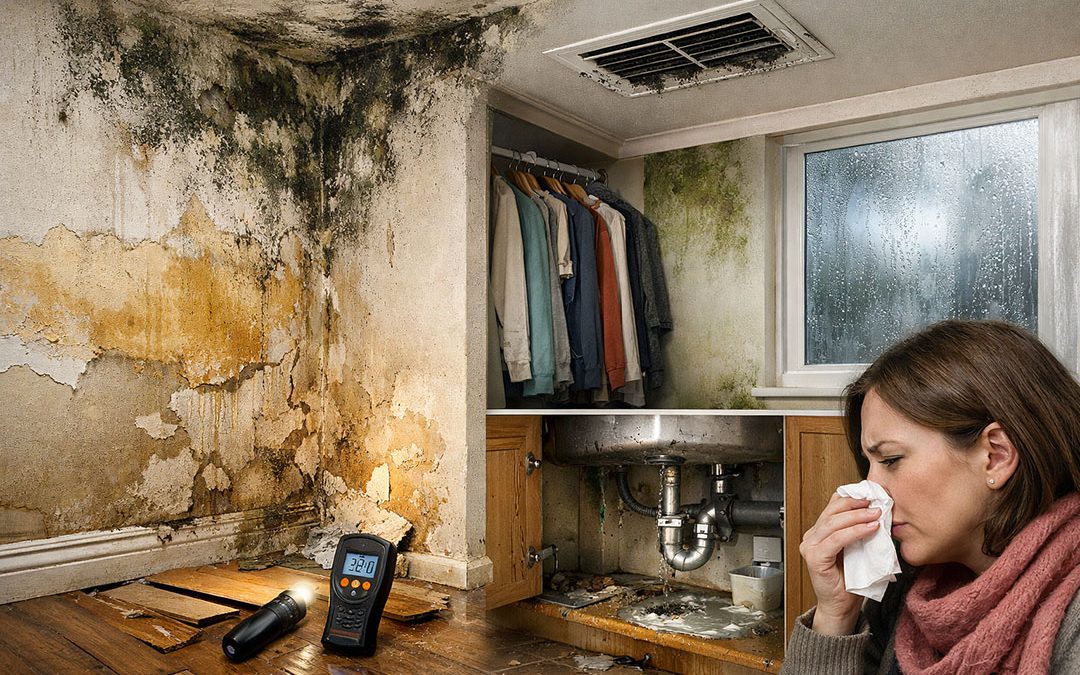
You can often tell you have a mold problem long before you see dramatic black spots on a wall. The key is to watch for a combination of visible clues, persistent odors, moisture history, and even how people feel in the space. Obvious signs: what you can see The most...
