
by Wycombe | Feb 5, 2026 | Blog Post, Mold, Mold Testing, Uncategorized
When most homeowners think about mold, they picture dark patches in the bathroom or fuzzy growth under a leaky sink. While those are common problem areas, mold is far sneakier than many people realize. In fact, some of the most serious mold issues develop in places...
by Wycombe | Feb 2, 2026 | Blog Post, Mold, Mold Testing
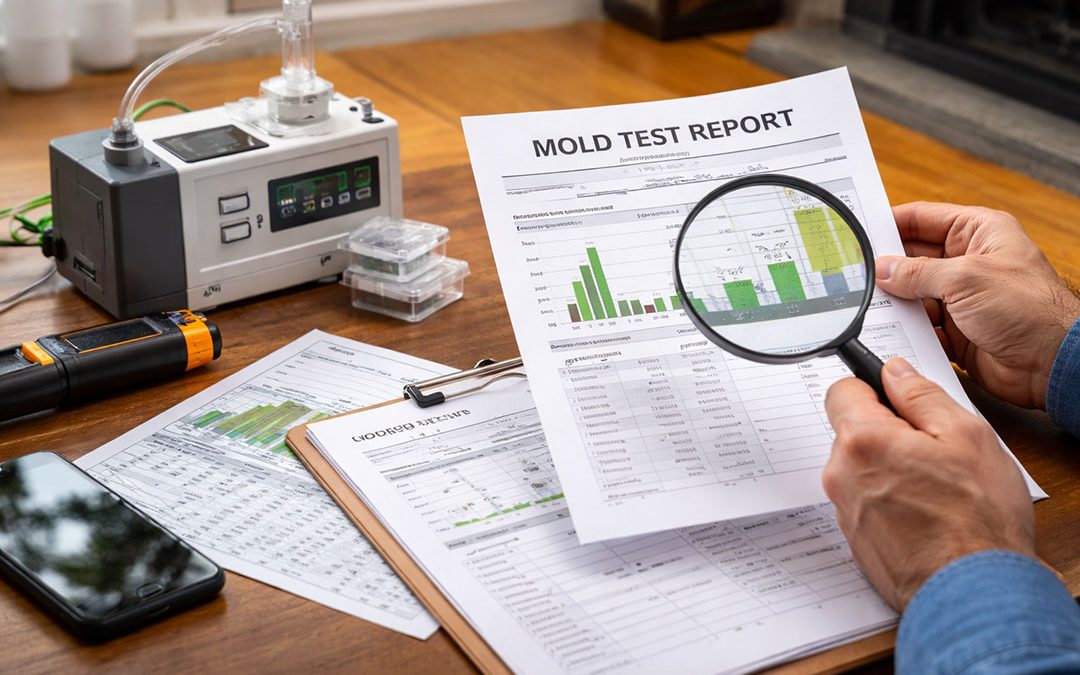
One of the most common (and most misunderstood) questions homeowners ask is: “What mold levels are considered normal?” The concern is understandable. Mold has a reputation for being dangerous, and lab reports with unfamiliar numbers can feel alarming without proper...
by Wycombe | Jan 30, 2026 | Blog Post, Mold, Mold Testing
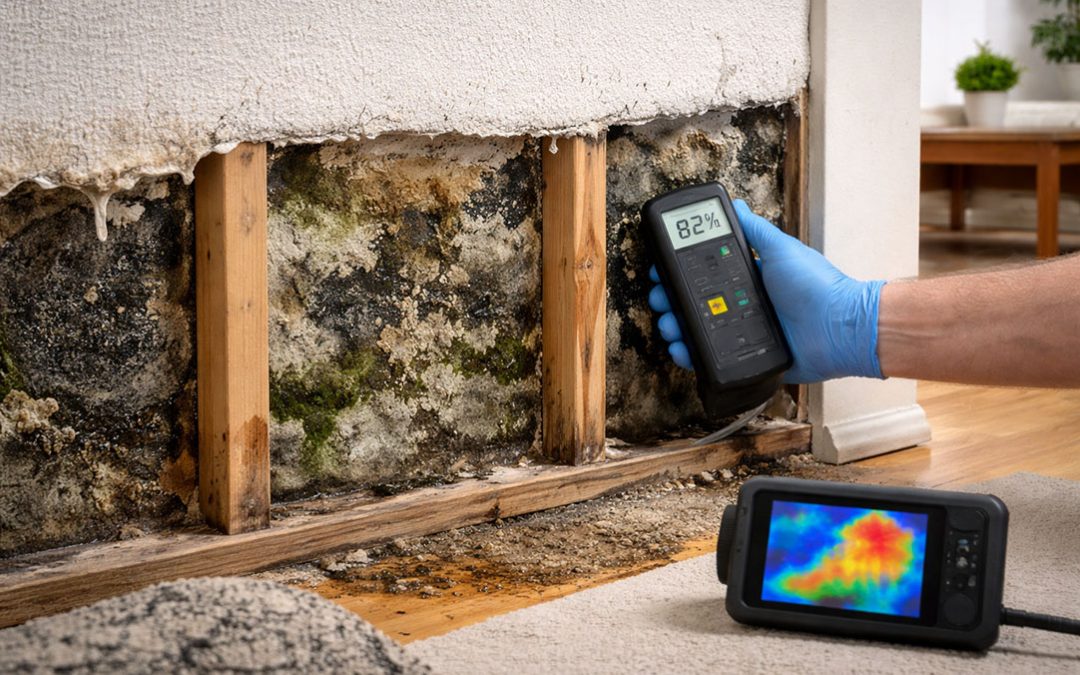
Mold problems aren’t always obvious. In fact, some of the most serious mold issues are the ones you can’t see. Hidden mold growing behind walls, under floors, or above ceilings, often goes unnoticed for months or even years, quietly spreading wherever moisture is...

by Wycombe | Jan 28, 2026 | Blog Post, Health considerations, Mold, Mold Remediation, Mold Testing, Types of Mold
Finding mold in your home can be unsettling. Whether it’s a musty odor, dark spots on a wall, or a concern raised during a home inspection, one question almost always comes up first: Is all mold toxic, or only certain kinds? The short answer is no, not all molds are...

by Wycombe | Jan 9, 2026 | Blog Post, Mold, Mold Testing, VOCs
You can often tell you have a mold problem long before you see dramatic black spots on a wall. The key is to watch for a combination of visible clues, persistent odors, moisture history, and even how people feel in the space. Obvious signs: what you can see The most...
by Wycombe | Jan 7, 2026 | Blog Post, Mold, Mold Remediation, Mold Testing
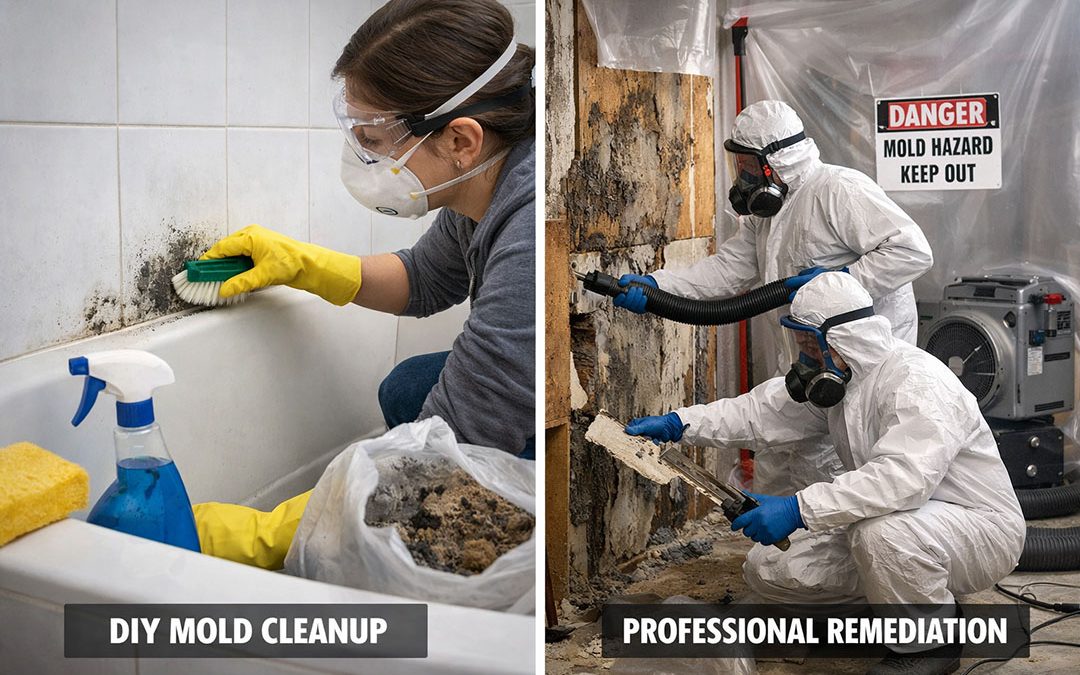
Whether you should clean mold yourself or hire specialists comes down to three things: the size of the problem, the location and cause, and the health and risk factors involved. For small, surface‑level issues you can usually DIY safely, but larger, hidden, or...
