
OUR BLOG PAGE

Mold Prevention South Florida: Essential Tips for Homeowners
Living in South Florida means sunshine, coastal air, and unfortunately — year-round mold risk. Our tropical climate creates ideal conditions for mold growth inside homes, especially in Melbourne, Palm Bay, Viera, and throughout Brevard County.
If you’re searching for mold prevention South Florida, you’re likely trying to protect your home’s value, your family’s health, or avoid costly remediation. The key is proactive moisture control combined with professional mold testing when warning signs appear.
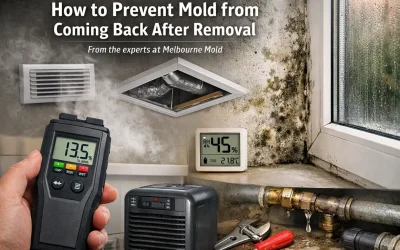
How to Prevent Mold from Coming Back After Removal
You’ve invested the time, money, and disruption to have mold removed. The last thing you want is to see it creeping back onto walls, ceilings, or inside closets a few months later. At Melbourne Mold, we tell our clients that remediation is only half the battle; the other half is controlling the conditions that allowed mold to grow in the first place.

Why Florida Homeowners Regret Hiring the Wrong Mold Inspector — And How to Avoid It
When Florida homeowners search for “mold inspection Melbourne FL” or “independent mold inspector Florida,” it’s usually not casual curiosity.
There’s a smell. There’s visible staining. There’s a recent roof leak. Or a home sale is on the line.
And in that moment, urgency often overrides caution.
Unfortunately, many homeowners later admit the same thing:
“I wish I had researched the inspector more carefully.”

Florida Law Requires Mold Assessment and Remediation to Be Separate – Here’s What Property Owners Must Know
Under Florida law, mold assessment and mold remediation are legally separate services. In most cases, it is illegal for a remediation company to perform the initial mold inspection or assessment. Even more importantly, the company that performs the assessment is legally barred from performing the remediation on that same project.

Mold and the Mental Load: How “Suspicious” Homes Wear People Down
When people think about mold, they usually picture stains on walls, musty smells, or construction bills. What often gets overlooked is the invisible weight that mold concerns put on a household’s mind. Living in a home you don’t fully trust – where you’re always wondering if the air is making you sick, or if there’s hidden damage behind the walls – creates a constant mental load. It shows up as worry, conflict, decision‑paralysis, and a sense that your home is no longer a place of rest.

Unexpected Mold Hotspots: Musical Instruments, Closets, and Cars
When people think of mold, they usually picture basements, bathrooms, or that one leaky corner in the ceiling. But some of the most troublesome mold problems hide in places you would never suspect: inside your favorite guitar, behind the clothes in a walk‑in closet, or inside the family car. These “micro‑environments” often check all the boxes mold needs to thrive: moisture, organic material, and stagnant air. Because they are small, closed spaces, problems can develop quickly and go unnoticed until they are expensive or impossible to fully reverse.

Climate Change, Storms, and the New Mold Season: What Homeowners Need to Know
If it feels like your home is battling moisture and mold more often than it used to, you are not imagining things. Longer humid periods, heavier downpours, and stronger storms are reshaping when and where homes develop mold problems. Instead of a short “rainy season,” many regions are now living with an extended mold season – one that starts earlier, ends later, and hits harder after each major weather event.

The Real Cost of Skipping Mold Inspections in Real Estate
Buying or selling a home is already a high‑stakes, emotional process. Add the word “mold,” and the stress level spikes instantly. For many buyers and sellers, mold feels like a worst‑case scenario, so uncomfortable, in fact, that some people would rather not look for it at all. But in real estate, what you don’t know can absolutely hurt you. Skipping a mold inspection to “save” a few hundred dollars can translate into tens of thousands in repairs, lost value, delays, and disputes later.

Landlord–Tenant Mold Disputes: How Neutral Testing Prevents a War
Few things sour a rental relationship faster than a mold complaint. The tenant is worried about their health and belongings. The landlord fears expensive repairs, lost rent, and potential legal trouble. Emotions escalate, emails get longer, and before long, both sides are more focused on winning the argument than solving the problem.

The Nose Knows: Using Odor Clues to Catch Mold Before You See It
Long before you see a single spot of mold on a wall or ceiling, your nose is often already warning you that something is wrong. That faint “old basement” smell in a bedroom, the damp towel odor in a walk‑in closet, or the earthy scent that appears only when the air conditioner turns on – these are all early clues that moisture and mold may be brewing out of sight. For homeowners, tenants, and property managers, learning to recognize and document these odor patterns can turn your nose into a powerful early detection tool and save thousands in repairs.
 Welcome to the Melbourne Mold website. If you have any questions regarding mold at your home or business premises - we are here to help. Please call or complete the form to the right, and we will be in touch at the earliest opportunity.
~ Greg Bertaux