
OUR BLOG PAGE
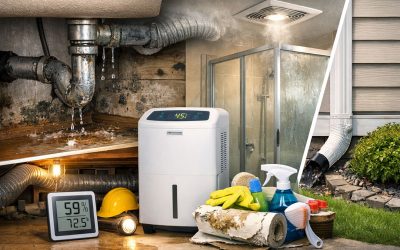
How can I prevent mold from returning?
Mold comes back when the conditions that allowed it to grow in the first place never really changed. Keeping it from returning is less about the cleaning product you use and more about controlling moisture, humidity, and airflow over the long term.
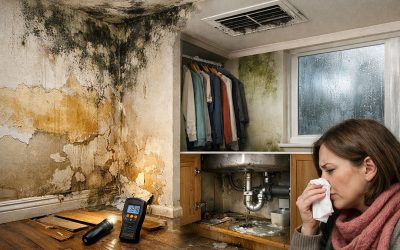
How can I tell if I have a mold problem in my home or business?
You can often tell you have a mold problem long before you see dramatic black spots on a wall. The key is to watch for a combination of visible clues, persistent odors, moisture history, and even how people feel in the space.
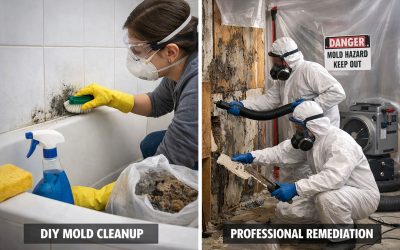
Do I need to remove or clean the mold myself, or hire specialists?
Whether you should clean mold yourself or hire specialists comes down to three things: the size of the problem, the location and cause, and the health and risk factors involved. For small, surface‑level issues you can usually DIY safely, but larger, hidden, or health‑related situations are better handled by professionals.

Why is mold dangerous, and what health effects can it cause?
Mold is dangerous because it thrives in damp indoor environments and releases particles that can irritate or inflame the body’s airways, immune system, and skin, especially in people who are already vulnerable. While not everyone reacts the same way, a large body of research links indoor dampness and mold with higher rates of respiratory symptoms, allergies, and asthma problems.
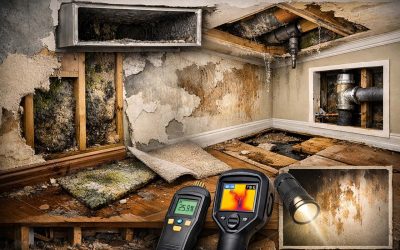
Can mold be hidden from view, and how do I detect hidden mold?
Mold can be hidden from view, and in many homes and small businesses the most significant growth is out of sight – behind walls, under flooring, in ceilings, or inside HVAC systems. Detecting hidden mold means paying attention to moisture history, subtle visual clues, musty odors, health symptoms, and, when needed, using tools or professional inspections.
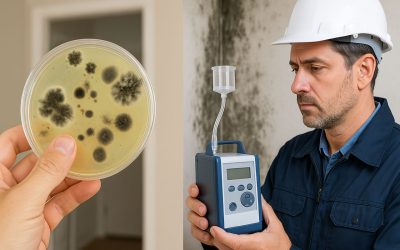
Should I use a DIY mold test kit or hire a professional?
Deciding between a DIY mold test kit and hiring a professional comes down to what you really need: a quick, low-cost snapshot or a reliable diagnosis that actually helps you solve the problem. For most meaningful situations visible growth, musty odors, health complaints, or real estate transactions professional testing is usually the safer and more useful choice.
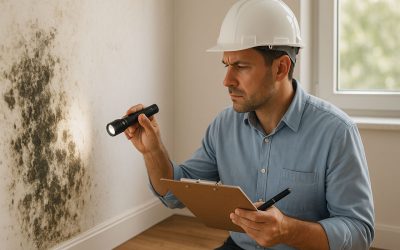
Is mold inspection included with a standard home inspection?
Home buyers or renters be aware, in Florida and most other states, a home inspection does NOT include testing or findings related to mold. In Florida, home inspectors are not allowed to offer any type of mold analysis or testing. Only a licensed “Mold Assessor” may perform a mold assessment / inspection. They must have an “MRSA” (Mold Related Services – Assessor) license that is very difficult to obtain because of the many technical issues and years of training required to conduct a proper mold assessment.
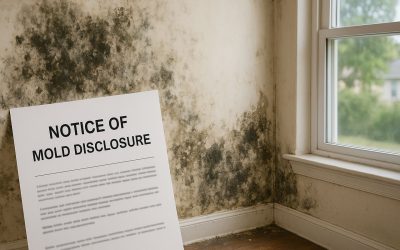
Should mold be disclosed during property transactions?
Mold should almost always be disclosed during property transactions, both because many states require disclosure of known mold and water issues, and because failing to disclose can expose sellers and agents to serious legal and financial liability later. Buyers, in turn, should expect clear, written information about any past or present mold problems when evaluating a property.
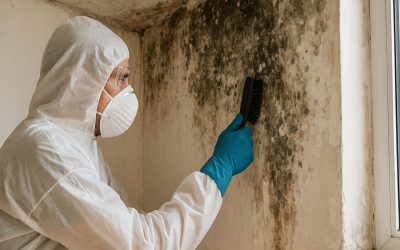
What is mold and why does it grow indoors?
Mold is a natural type of fungus that plays an important role outdoors by breaking down dead leaves, wood, and other organic material, but indoors it becomes a serious air quality, structural, and health concern when conditions allow it to grow and spread. Understanding what mold is and why it grows inside homes and small businesses is the first step toward preventing costly damage and potential health issues.

The Dangers of Mold: How to Identify and Prevent Exposure
Mold, also known as Stachybotrys chartarum, is a type of fungus that grows in damp and humid environments. It is often found in areas such as bathrooms, basements, and kitchens, where moisture levels are high. Exposure to mold can have serious health consequences, making it important to identify and prevent its growth in your home.
 Welcome to the Melbourne Mold website. If you have any questions regarding mold at your home or business premises - we are here to help. Please call or complete the form to the right, and we will be in touch at the earliest opportunity.
~ Greg Bertaux